Have you ever wondered why some wooden toys arrive perfectly crafted while others disappoint with rough edges, cracks, or unpleasant odors? For importers, retailers, and toy brands, the final quality inspection before shipping is one of the most critical steps in the entire sourcing process.
A wooden toy may look beautiful in photos, but without proper quality checks, hidden issues can lead to customer complaints, returns, and even safety risks. That’s why experienced buyers never skip the pre-shipment inspection process.
Safety Always Comes First
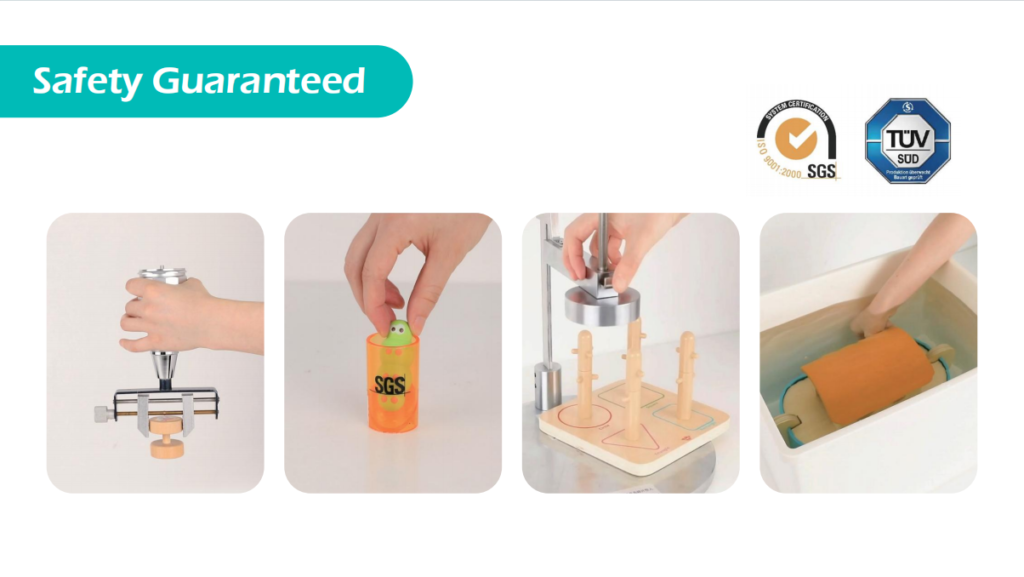
When checking wooden toy quality, safety should be the top priority. Since children frequently touch, bite, and play closely with toys, every detail matters.
Start by examining the surface finish. High-quality wooden toys should feel smooth with no splinters, sharp edges, or rough corners. Paint and coatings should be non-toxic, odor-free, and evenly applied without peeling or bubbling.
It’s also important to verify the strength of small parts. Loose components can become choking hazards, especially for toddlers. Screws, magnets, ropes, and connectors should all be firmly secured and tested for durability.
A reliable supplier will usually follow international safety standards such as EN71 or ASTM F963, ensuring the toys meet global market requirements.
Material Quality Reflects the Toy’s Real Value
The type and condition of wood used greatly affect the toy’s durability and appearance.
Before shipping, inspect whether the wood shows signs of cracking, warping, mold, or inconsistent grain patterns. Premium wooden toys are typically made from durable woods like beech, pine, or rubber wood, which provide both strength and a smooth finish.
Moisture content is another key factor that many buyers overlook. If the wood is not properly dried, toys may crack or deform during long-distance shipping or seasonal climate changes. A professional factory should maintain stable moisture levels before packaging.
Consistency also matters. Colors, shapes, drilling positions, and printing should match approved samples to maintain a professional brand image.

Packaging Inspection is Equally Important
Even well-made wooden toys can be damaged if the packaging is poor.
Check whether individual products are properly wrapped and protected from scratches during transportation. Outer cartons should be strong enough for international shipping and clearly labeled with product information, barcodes, and warning labels when necessary.
Drop-test resistant packaging is especially important for export orders. Weak cartons can collapse during transit, leading to damaged goods and financial losses.
Many buyers also review whether the packaging design matches their branding requirements before shipment approval.
Functionality Should Be Tested Before Delivery
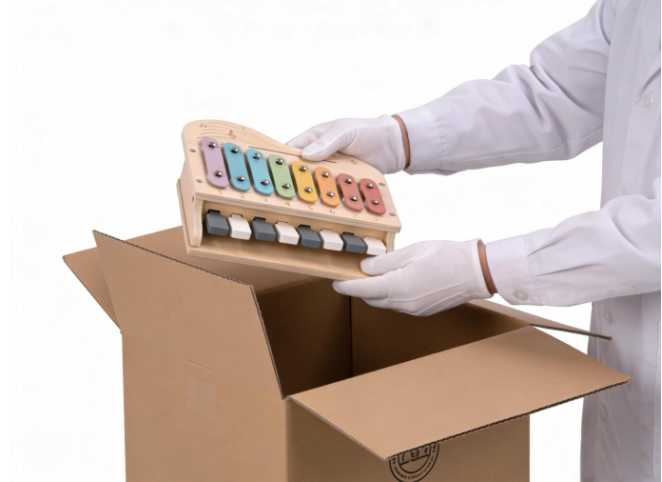
Wooden toys are designed for interaction, so every function should work smoothly.
For climbing toys, verify structural stability and weight-bearing capacity. For puzzles or stacking toys, confirm that pieces fit correctly without being too tight or too loose. Moving parts such as wheels, sliders, or hinges should operate smoothly without unusual resistance.
Testing random samples from different cartons helps identify hidden production inconsistencies before the goods leave the factory.

In a Nutshell
Checking wooden toy quality before shipping is not simply about finding defects — it’s about protecting your brand reputation and ensuring children receive safe, durable, and enjoyable products.
From material selection and surface finishing to packaging and functionality testing, every inspection step contributes to a better customer experience. In the competitive toy market, careful quality control is often what separates trusted brands from the rest.