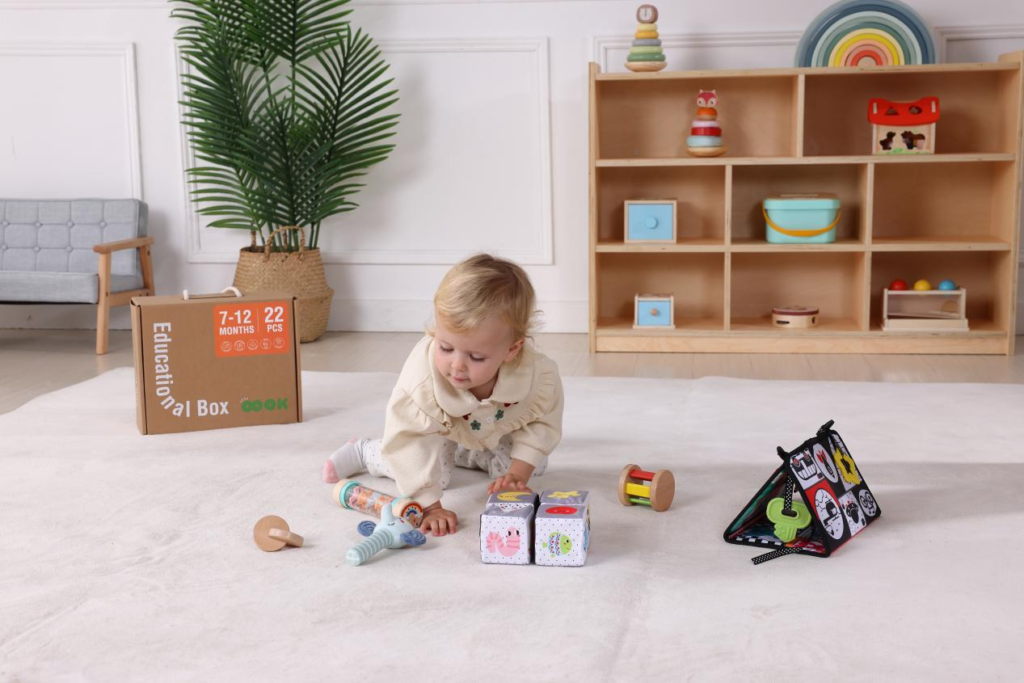
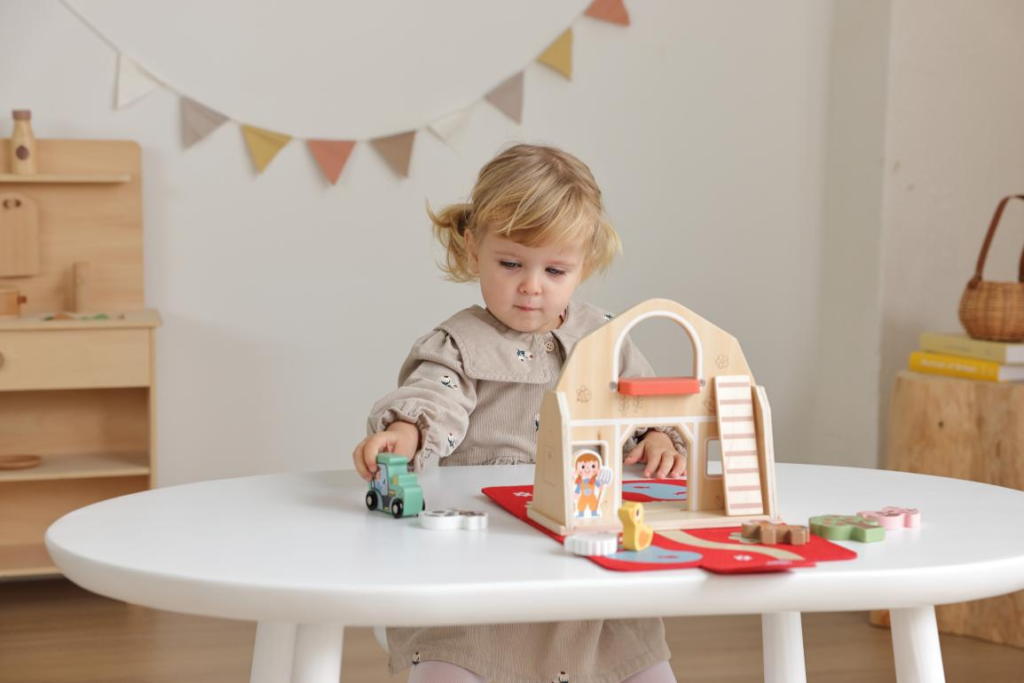
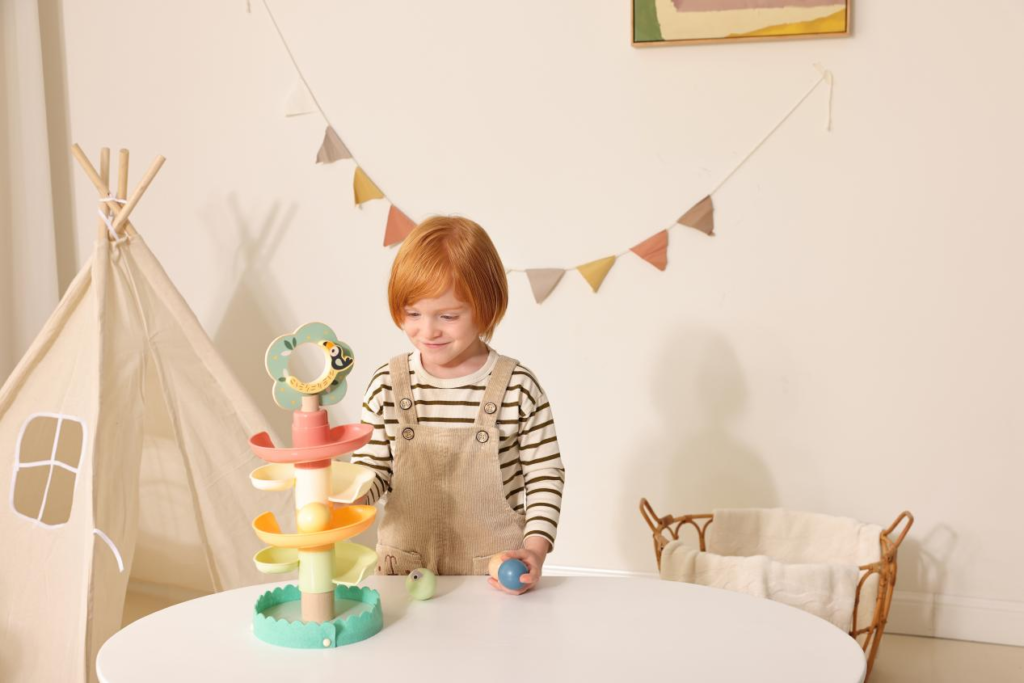
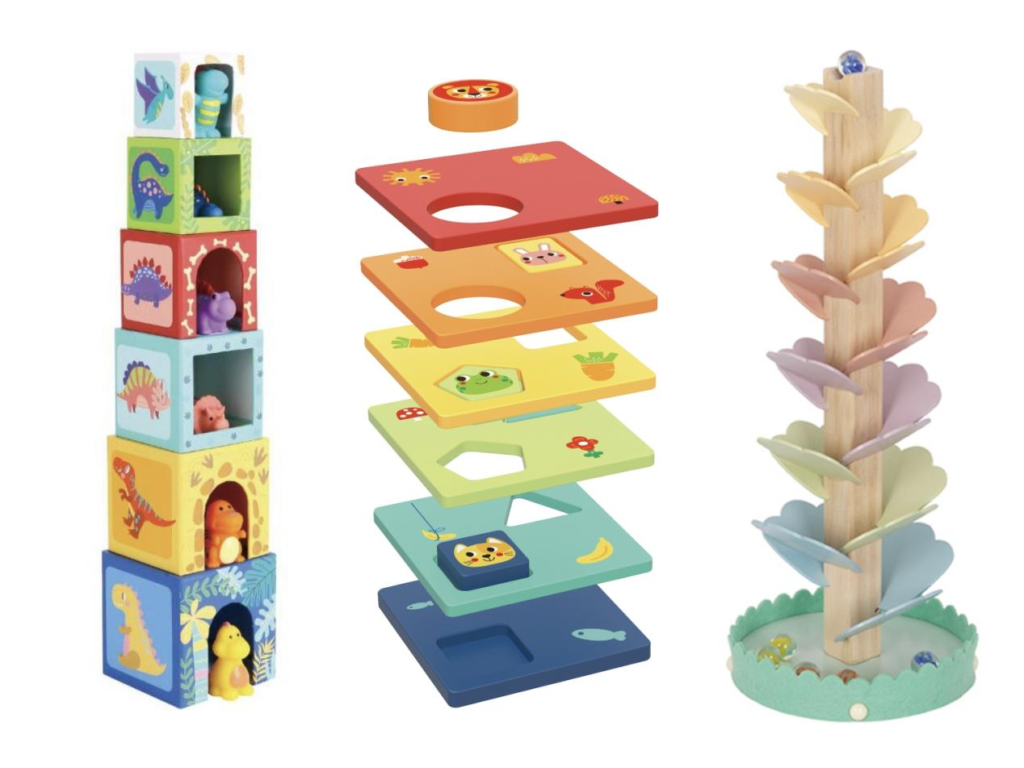
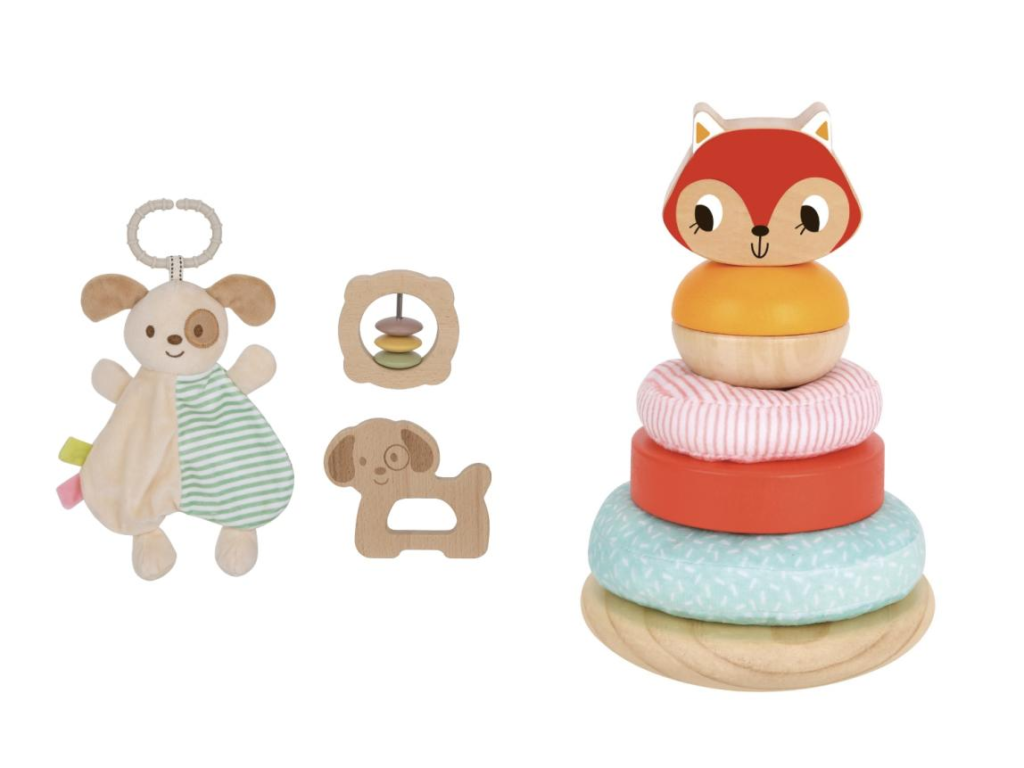
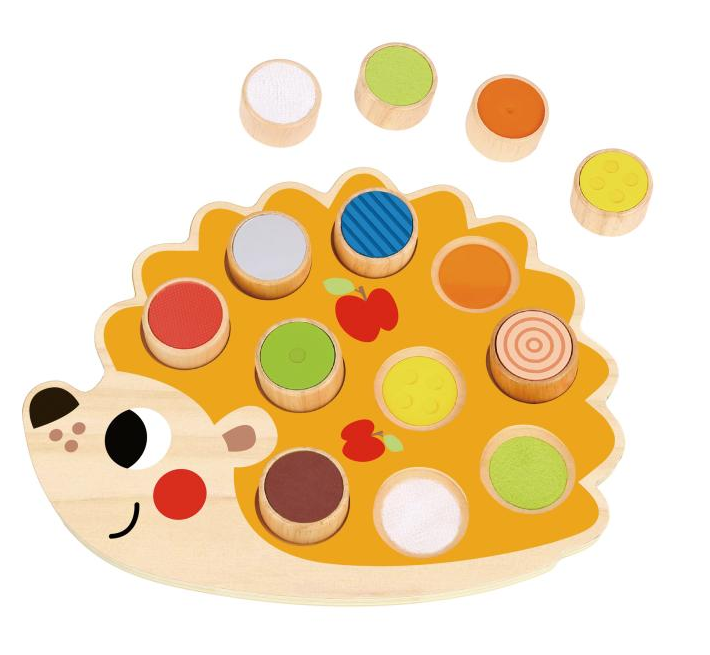
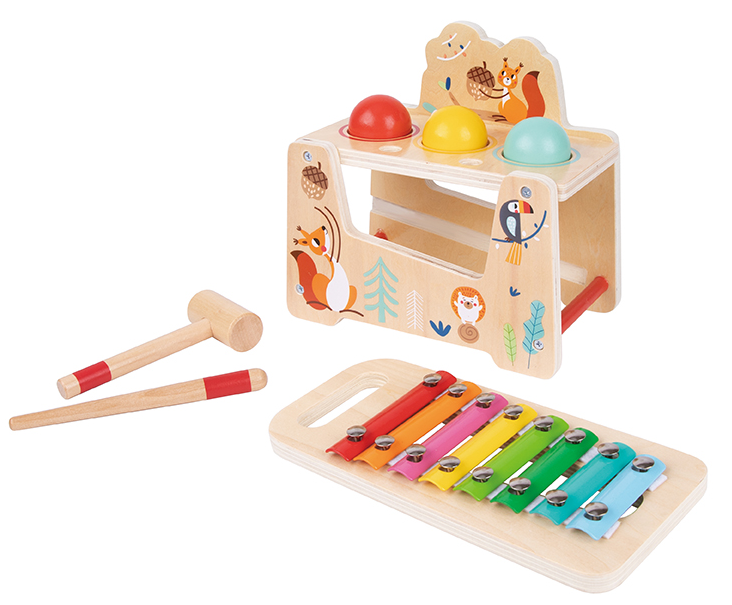
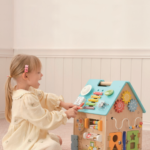
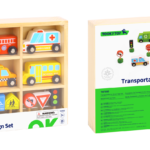
Picture this: your living room floor is covered with wooden blocks. Your three-year-old is utterly absorbed, not building a tower, but simply running their tiny hands over the smooth, grooved surfaces, listening to the clack as they knock together, and staring intently at the vibrant colors. Ever wonder why this seemingly simple play is so captivating—and so crucial? Is it just fun, or is something deeper happening in that brilliant, growing mind?
Sensory games are the delightful, hands-on tools that actively engage a child’s senses, forming the essential foundation for all future learning and development. They turn abstract concepts into tangible experiences, wiring young brains in the most effective way possible. This isn’t just play; it’s serious developmental work disguised as pure joy. Intrigued? Let’s dive into the fascinating science behind the fun.
How does stimulating a child's senses actually build a better brain?
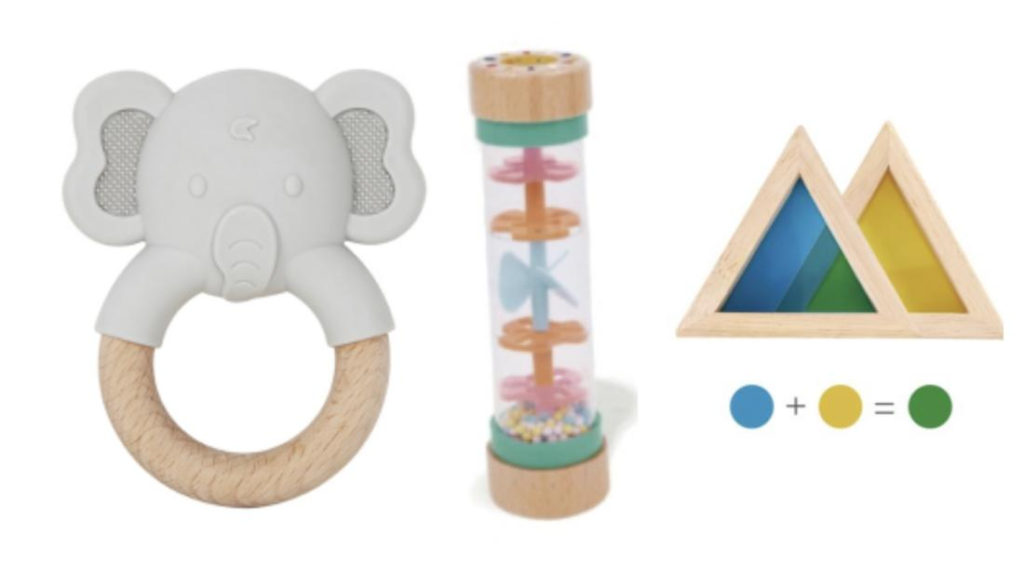
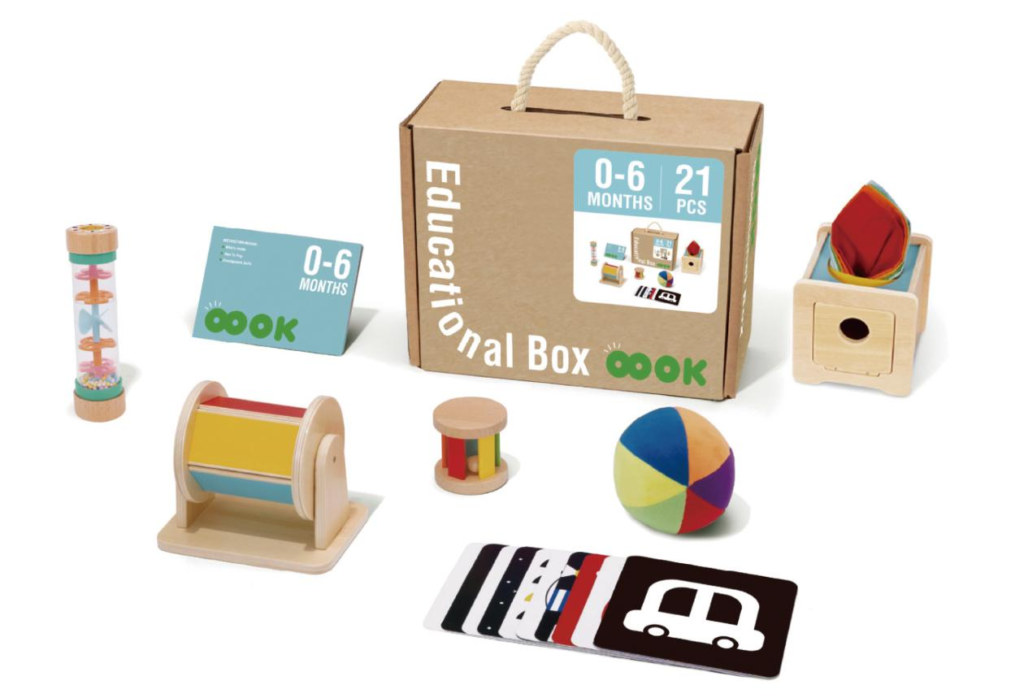
Think of a baby’s brain as a bustling, under-construction city. Every new sensory experience—the feel of a textured wooden ring, the sound of a rattling rainmaker toy, the sight of a high-contrast mobile—is like paving a new road or constructing a new building. These connections, or synapses, are built at an astonishing rate. By the age of three, a child’s brain has formed about one million neural connections every second, many driven by sensory interaction with their world. This dense network is the physical infrastructure for all future thought, learning, and behavior.
So, when a toddler stacks cups or sorts shapes by touch, they’re not just keeping busy. They are literally architecting their own mind.
What’s the real-world impact of sensory play? Let’s break it down by sense.
The Magic of Touch (Tactile Sense)
When a child squeezes a soft doll, grips a bumpy teether, or explores the smooth and rough sides of a wooden puzzle piece, their tactile receptors are sending a flood of information to their brain. This does more than teach “soft” or “hard.”
Research indicates that rich tactile experiences can significantly improve fine motor skills and even mathematical abilities in early childhood. Manipulating small objects builds the dexterity needed for writing. Feeling different shapes and weights forms the basis for understanding geometry and physics concepts later on. It’s foundational learning at their fingertips.
The Power of Sound (Auditory Sense)
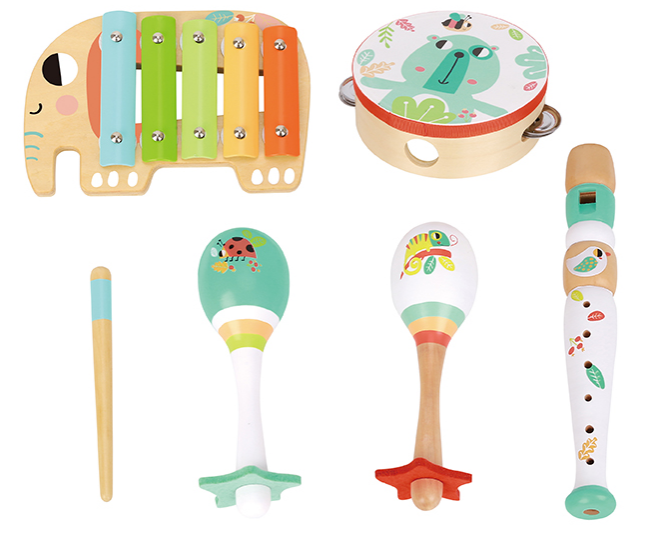
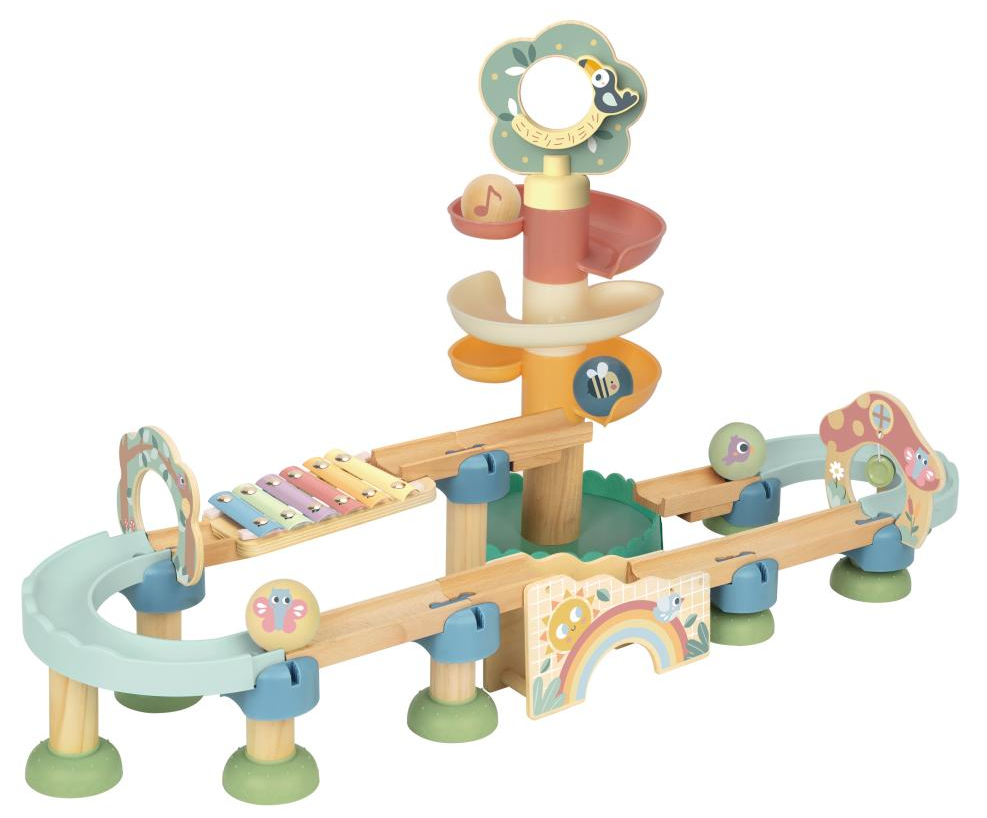
Why are wooden musical instruments like xylophones or sound blocks so perennial? It’s not just about the (sometimes cacophonous) melody. Auditory processing is key for language development. A simple game of matching sounds or identifying the clunk of a block versus the jingle of a bell sharpens a child’s ability to discriminate between sounds.
This skill is directly linked to phonemic awareness—the ability to hear and manipulate sounds in words, which is a strong predictor of later reading success. So, that noisy play is actually tuning their ears for literacy.
The Wonder of Sight (Visual Sense)
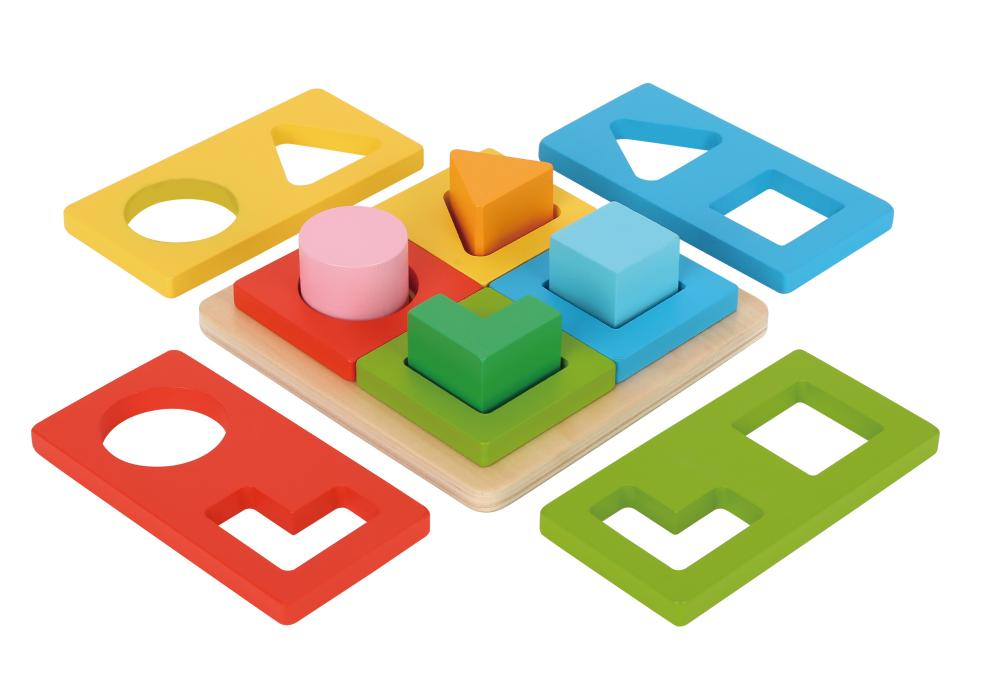
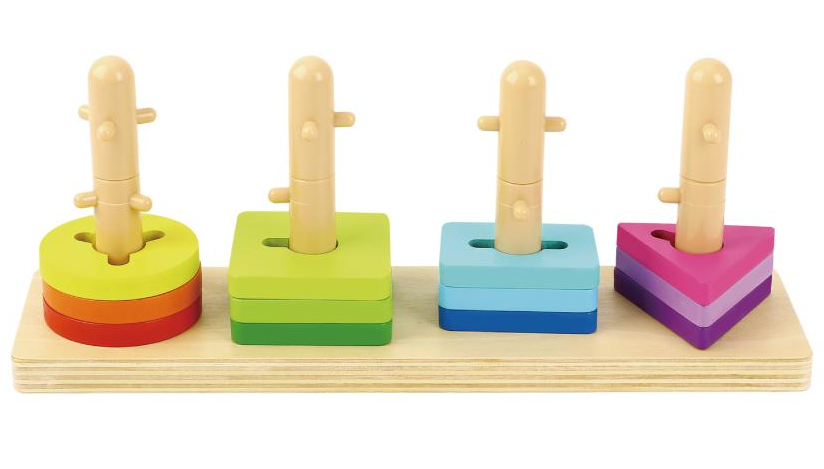
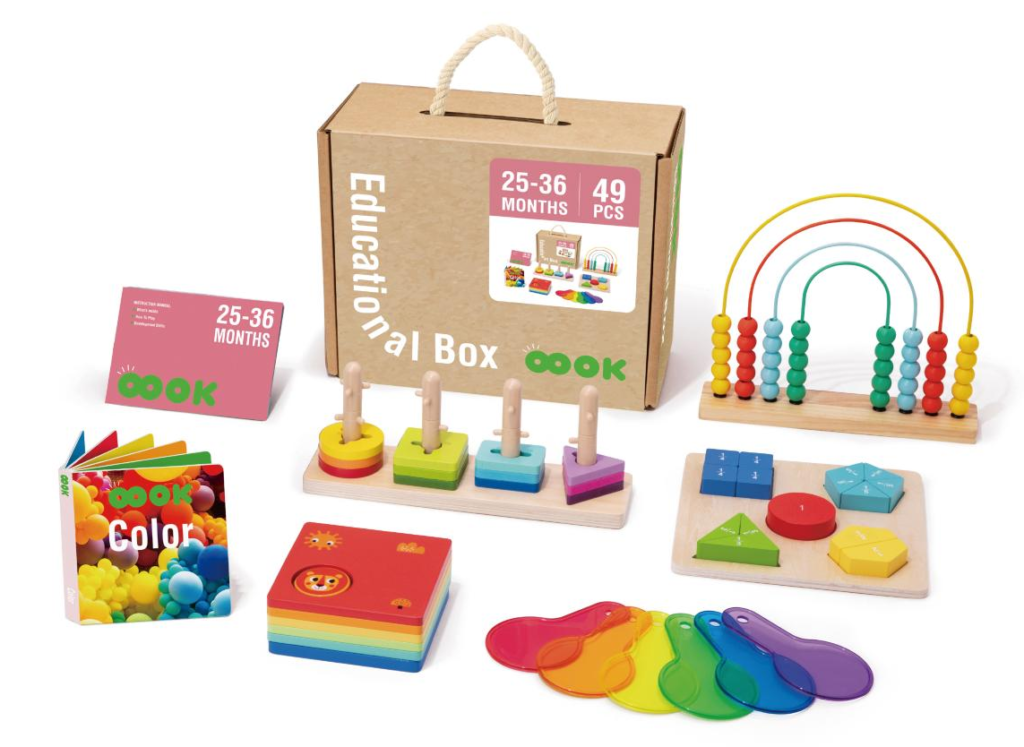
Visual sensory play isn’t about screens. It’s about a child tracking a rolling ball, matching colors on a sorting board, or recognizing a pattern in a stacking ring set. These activities hone visual perception and visual-motor integration.
When a child judges which hole a shape fits into, they are developing depth perception and hand-eye coordination. Studies show that well-developed visual-spatial skills correlate with stronger performance in fields like mathematics, engineering, and art. Their eyes are learning to guide their hands and interpret their world.
Beyond the Senses: The Hidden Superpowers Sensory Games Build
The benefits cascade outward. This type of play is a masterclass in focus and attention, as children lose themselves in the sensory input. It naturally regulates emotions—the calming, repetitive motion of running sand through fingers or the satisfying click of a puzzle piece fitting can be a powerful antidote to toddler-sized frustrations.
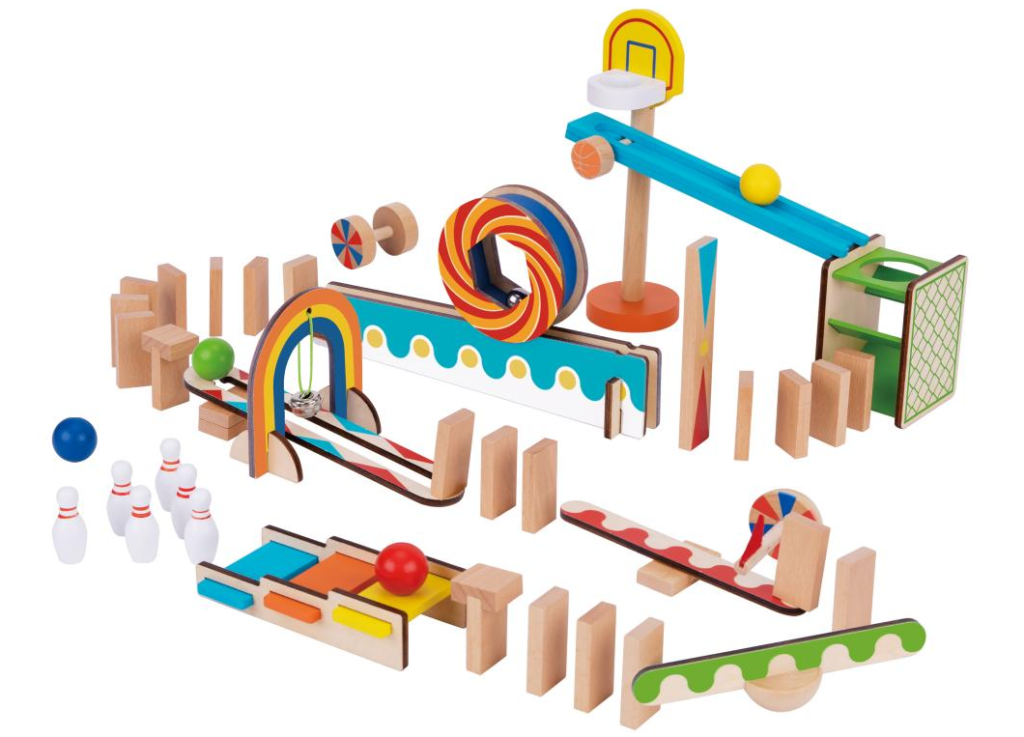
Furthermore, it sparks problem-solving and scientific thinking. “What happens if I push this down the ramp?” “Does this piece fit here?” Every experiment, successful or not, builds cognitive resilience.
So, what should a savvy buyer look for in sensory toys?
This is where quality is non-negotiable. The sensory input must be safe, non-toxic, and authentic. A perfectly smooth, sanded wooden surface provides a different tactile lesson than a rough, splintered one. Rich, non-fading colors offer clearer visual cues. A well-tuned instrument provides accurate auditory feedback.
Durability matters too. These toys aren’t just handled; they’re experienced with intense curiosity. They need to withstand rigorous exploration, because the learning—and the fun—should last.