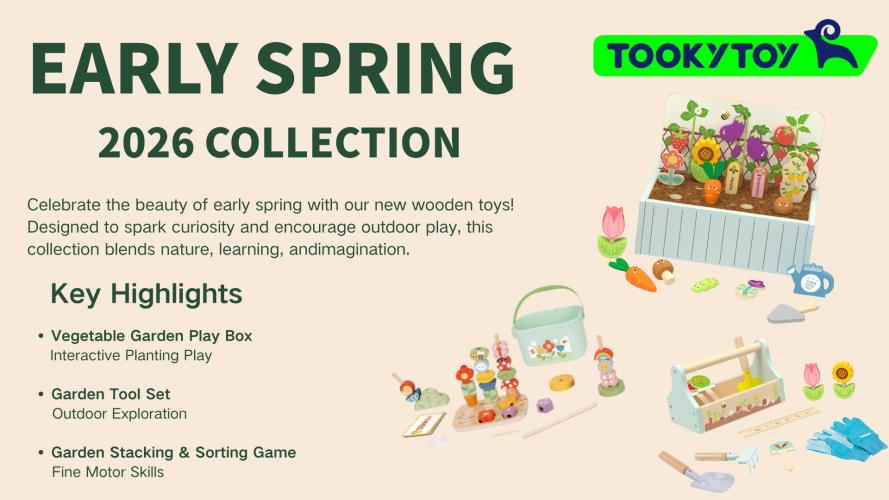
Have you noticed that every spring, children suddenly want to touch everything green, soft, and slightly muddy?
One moment they’re obsessed with dinosaurs and rockets, the next they’re collecting leaves, pretending to plant carrots, and asking very serious questions about worms.
Is it the weather?
Is it nature calling?
Or is it simply that spring-themed toys speak a language children instinctively understand?
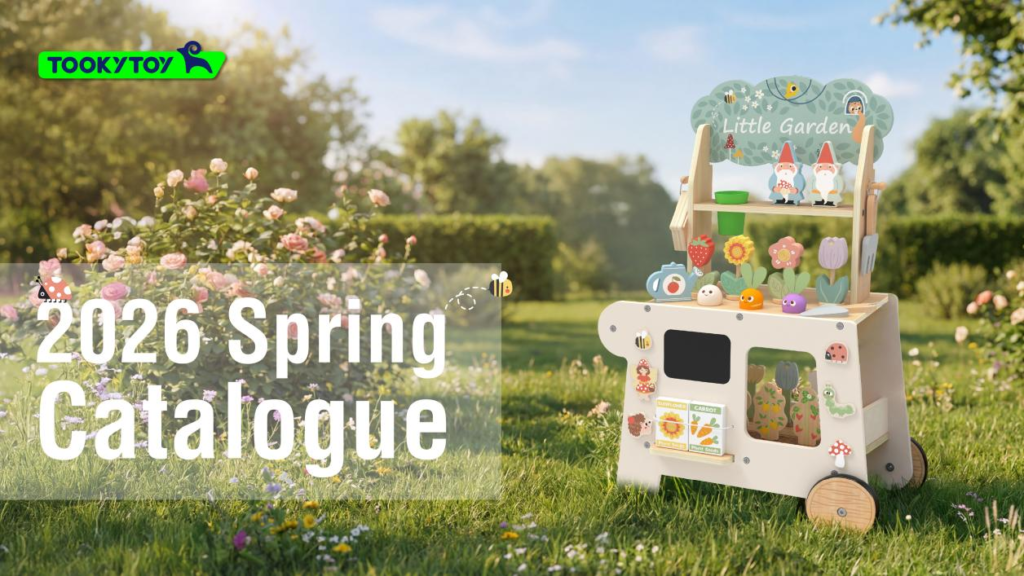
Spring-themed wooden toys work because they align perfectly with children’s natural curiosity, seasonal rhythms, and hands-on learning needs.
They combine sensory play, storytelling, and early education in a way plastic toys rarely manage.
In short: they don’t scream for attention.
They invite it.
What exactly makes a wooden toy “spring-themed”?
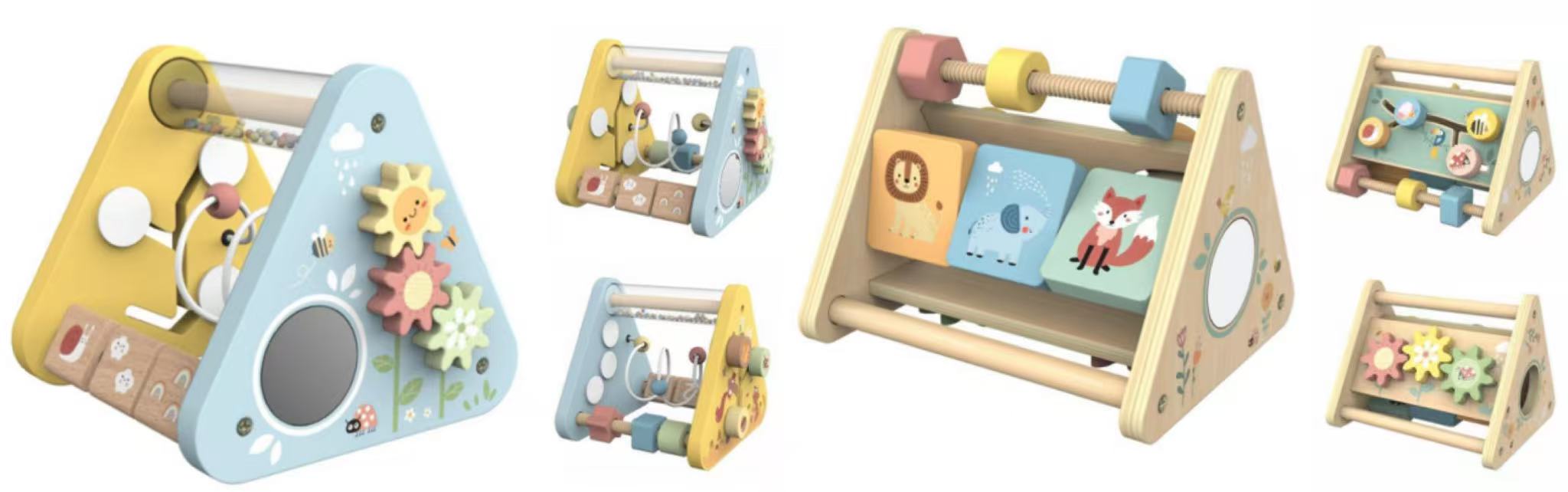
Spring-themed wooden toys usually revolve around nature , growth , and renewal.
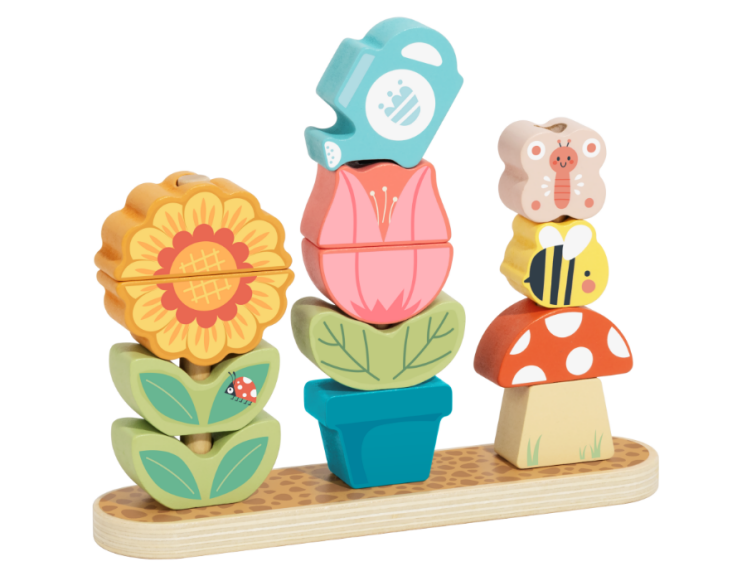
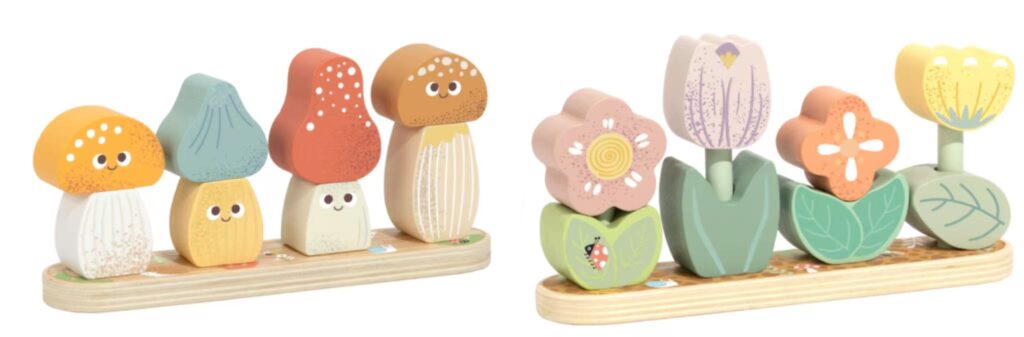
Think flowers, insects, gardens, baby animals, rainbows, and outdoor scenes.
Not flashy.
Not noisy.
But quietly powerful.
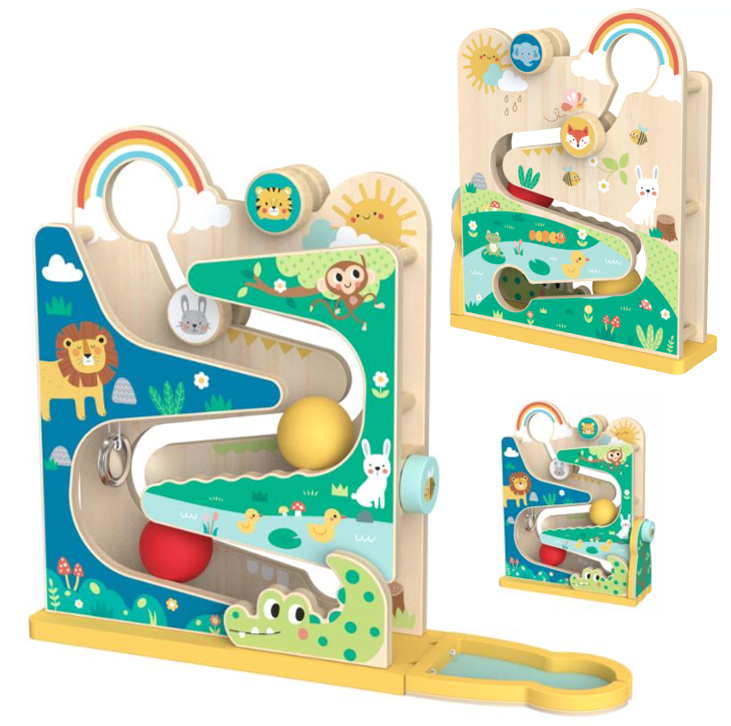
From a product perspective, these toys often integrate open-ended play , which research consistently links to improved creativity and problem-solving skills .
In our experience, spring-themed sets sell not because they are “cute,” but because parents *understand them immediately*.
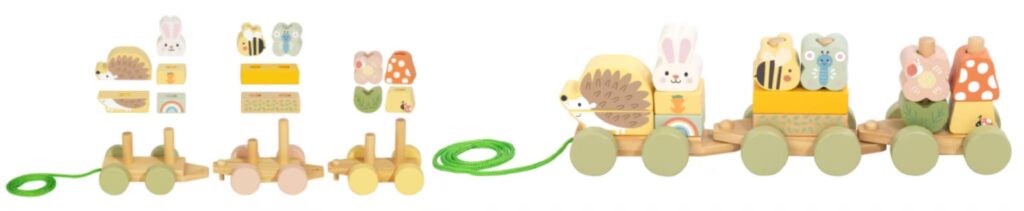
No explanation required.A wooden bee, a flower, and a train car already tell a story.
Why do parents trust wooden toys more in spring?
Spring triggers a cleaning instinct.
Out with clutter.
In with “healthier” choices.
That’s when keywords like sustainable materials, non-toxic finishes , and child-safe coatings start appearing in buyer conversations.
Certified wooden toys—especially those aligned with FSC-certified wood standards—signal responsibility and long-term thinking.
From the client’s point of view, this matters because spring is when parents re-evaluate purchasing habits.
They’re more willing to pay for toys that feel “right” for the season.
Natural.
Calm.
Durable.
Plastic beach toys may spike in summer.
But spring belongs to wood.
Are spring-themed wooden toys actually educational?
Short answer: yes.
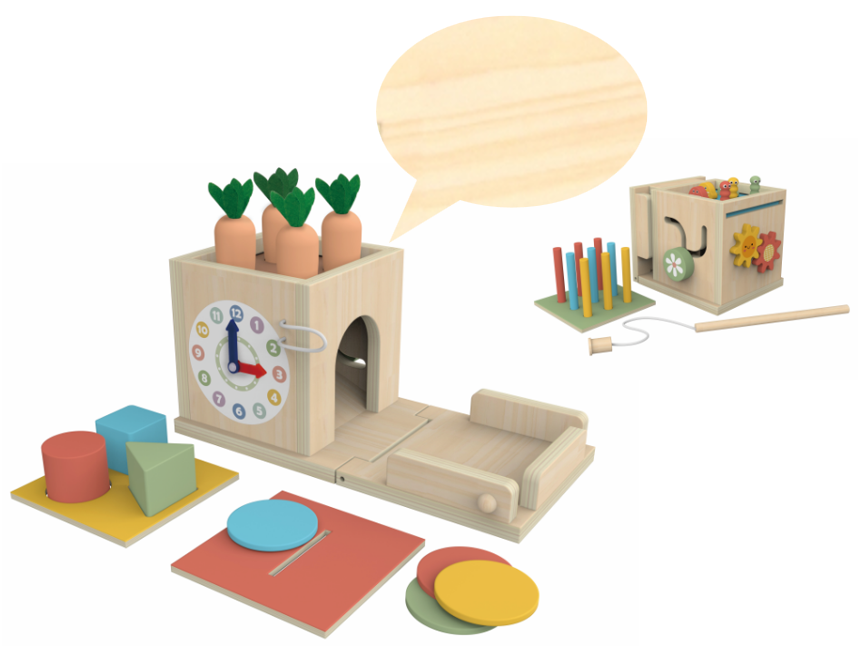
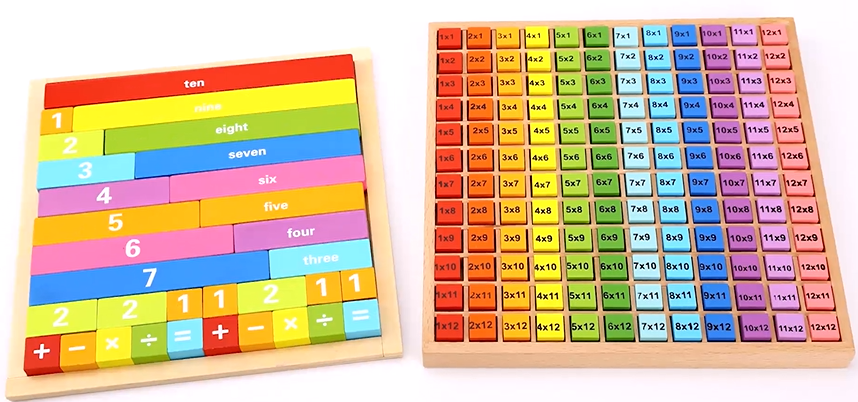
Long answer: yes, but not in an annoying way.Many spring-themed toys naturally support early STEM learning , fine motor skill development , and sensory exploration —all of which are backed by child development research .
What I like most is how invisible the learning feels.
Children don’t feel taught.
They feel curious.
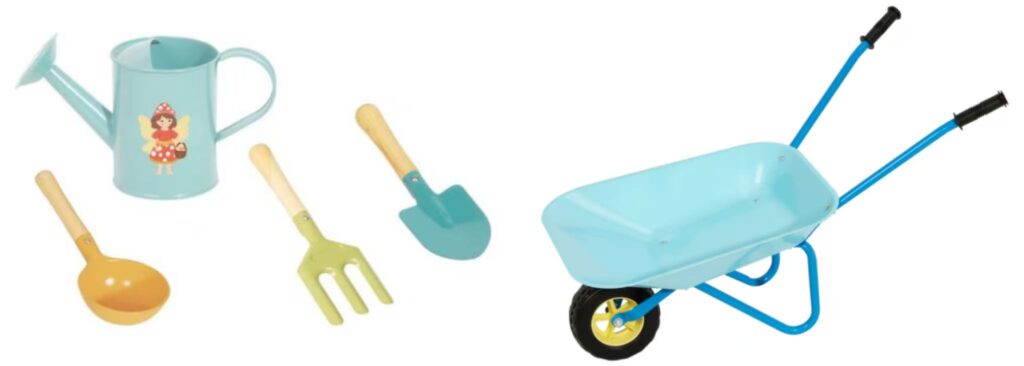
A simple wooden garden set can introduce counting, sequencing, cause-and-effect, and even patience.
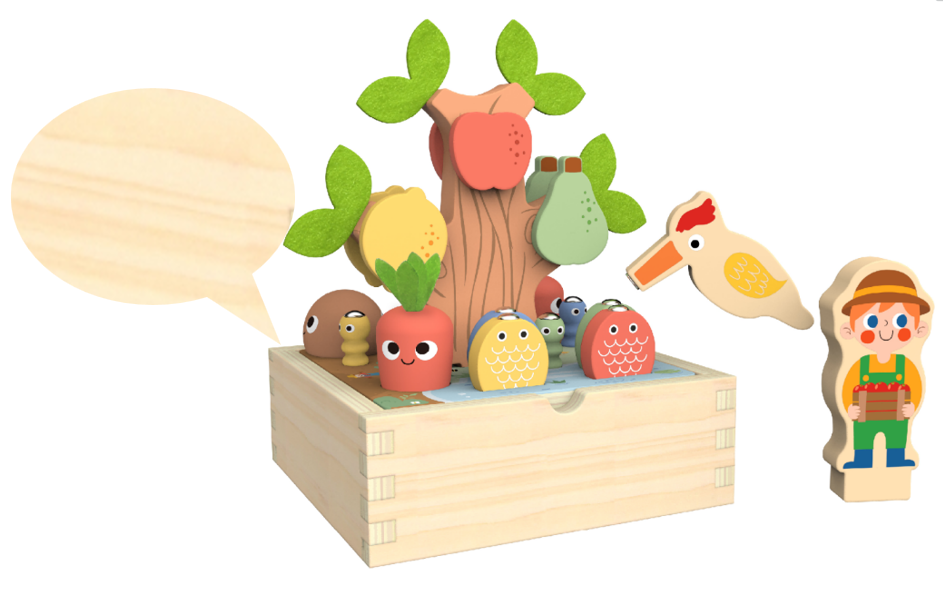
Yes, patience.Waiting for pretend carrots to “grow” is surprisingly effective practice.
Why do retailers see higher engagement with spring displays?
Because spring displays tell a story without saying a word.
From a retail standpoint, spring-themed wooden toys benefit from seasonal storytelling , a concept widely discussed in visual merchandising studies .
When shoppers see soft colors, wooden textures, and nature motifs, they slow down.
They touch.
They imagine.
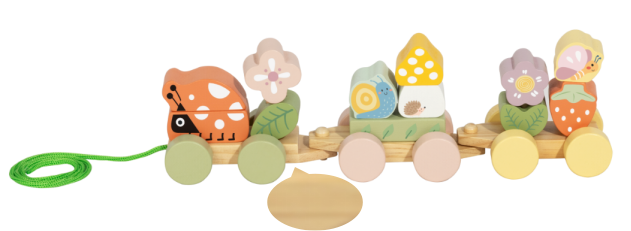
And when customers touch wooden toys, conversion rates quietly improve.
Not explosively.
Consistently.
That’s gold for any buyer focused on long-term sell-through rather than quick discounts.
Do spring-themed wooden toys work across different markets?
Absolutely.
And this part often surprises people.
Whether I’m discussing European specialty stores, Middle Eastern boutiques, or Australian educational retailers, the response is similar.
Nature is universal.
Spring may look different regionally, but the *idea* of growth resonates everywhere.
In fact, global toy market reports indicate rising demand for eco-friendly toys and sustainable product lines , regardless of geography .
From a buyer’s perspective, that means spring-themed wooden toys travel well—culturally and commercially.
What mistakes should buyers avoid with spring wooden toys?
I’ve seen a few recurring ones.
First, over-design.
Spring toys don’t need twenty features.
They need room for imagination.
Second, ignoring durability.
Spring equals outdoor play.
Which means toys must survive dirt, drops, and enthusiasm.
Third, treating spring as “just a color palette.”
It’s not pastel season.
It’s a mindset.
Smart buyers focus on long product life cycles, modular play, and age scalability —all of which reduce returns and increase repeat purchases.
How can buyers add value without adding cost?
Value creation does not always require additional materials.
Research on guided play suggests that simple prompts or activity suggestions can significantly extend playtime and learning outcomes .
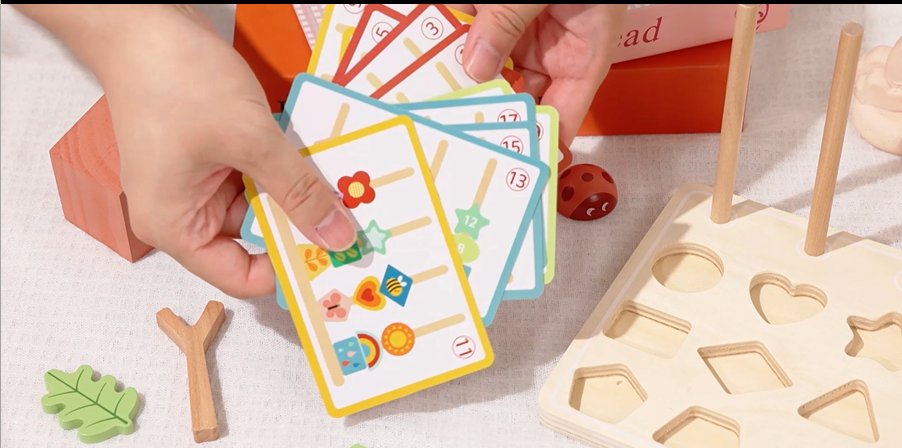
For buyers, this means value can be added through packaging inserts, activity cards, or digital guides—without changing the product itself.
This approach improves customer satisfaction while maintaining margin control.
Is spring-themed wooden play just a seasonal spike?
From a planning perspective, spring is best viewed as an entry point rather than a limitation.
Many spring-themed toys transition easily into broader themes:
Gardens become farms.
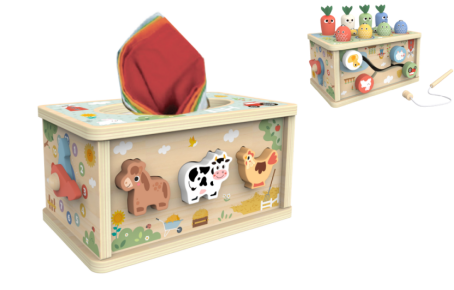
Insects become ecosystems.
Flowers become color or sorting tools.
This supports longer shelf life and reduces markdown pressure after the season ends.
For buyers focused on inventory efficiency, this flexibility is a key advantage.
Conclusion
Spring-themed wooden toys succeed because they feel intuitive, trustworthy, and timeless.
They don’t chase attention.
They earn it.For buyers seeking steady value rather than noise, spring is not a season—it’s a strategy.